Personal tools

Skip to content. | Skip to navigation

Sections
You are here: Home Backyard Wildlife Backyard Habitat Certification Program Backyard Resources Wildlife Stewardship

Wildlife Stewardship

Rufous Hummingbird 2 - Jim Cruce
Rufous Hummingbird - Jim Cruce

More than 200 species of birds pass through the Portland Metro Area each year.  Habitat loss, invasive plant and animal species, toxic contaminants in our environment, and a variety of man-made hazards can make their journey in Portland a hazardous one.  The Backyard Habitat Certification Program will help you identify and reduce wildlife hazards in your yard and develop advanced strategies help locally imperiled species.

Another great way to help our local wildlife populations is to enhance habitat on your own property. Wildlife need more than dedicated parks and green spaces to survive and flourish – they require continuous corridors of suitable habitat and open space. Backyard habitat enhancement is a great way to help connect isolated pockets of habitat while also improving the value and aesthetics of your property.

Habitat consists of three basic elements: food, water, and shelter. The following pages detail what you can do to provide all three elements for local birds and other wildlife.

Living with Urban Wildlife

Audubon Society of Portland's Living with Urban Wildlife Brochure Series

Audubon Society of Portland's For the Birds: Protecting Bird in your Backyard

Avian Nest Boxes for Native Species

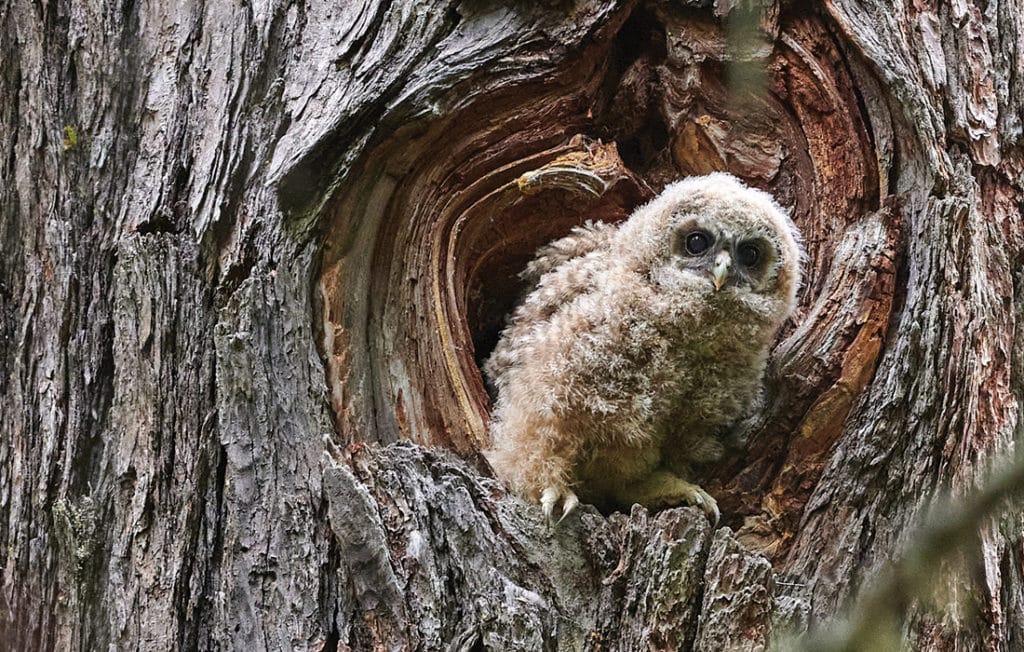
As wildlife habitat dwindles in the urban area and elsewhere it becomes harder for birds that depend on woodpecker-drilled nest cavities to find natural nesting sites. 

Although they are no substitute for retaining large expanses of native habitat, artificial nest boxes can provide birds with alternatives. 

Since nest boxes are meant to replace natural cavities, they work best when they are made of natural wood and without any adornments, including perches. 

Audubon Society of Portland's bird nest box dimensions (pdf)

National Audubon Society Hints for Attracting Birds with Nesting Boxes

Oregon State University Extension How to Build Nest Boxes for Wild Birds (pdf)

Bat Houses

Bat Conservation International is a great resource for bat information.

Bat Conservation International Criteria for Successful Bat Houses (pdf)

Attracting Bats to your Yard (pdf)

Plans for Bat Houses

Oregon State University Extension How to Build Bat Houses and Roosts in your Yard (pdf)

Participate in Citizen Science

Portland Audubon offers many opportunities to participate in Citizen Science

Great Backyard Bird Count

Christmas Bird Count

Report the birds that you see to eBird or Project Feeder Watch: Keep track of the birds in your neighborhood and then add your observations to one of these online bird databases. When you add your observations to eBird or Project Feeder Watch you help bird scientists across the country. eBird gives you a special password that allows you to access a permanent record of the birds that you have seen. Project Feeder Watch provides a starter kit to help you identify your birds. Go to: www.ebird.org or www.birds.cornell.edu/pfw/.

Wildlife Water Features

Oregon State University Extension How to Create a Garden Pond for Wildlife

Bee Houses

Xerces Society How to build nests for native bees (pdf)

Converting Outdoor Cats to Indoor Living

Audubon Society of Portland Cats and Wildlife

Native Plants for Wildlife

Oregon State University Extension Native Plant Gardening-includes information on plants that provide food for wildlife

Berry Botanic Garden Gardening for Wildlife flashcards -available for purchase

Xerces Society Pacific Northwest Plants for Native Bees (pdf)


Document Actions
powered by Plone | site by Groundwire and served with clean energy